Fastpacking food: what to eat to move fast without running on empty
At fastpacking, hunger gives no warning.
It just shows up... and when it does, you're too late.
A drop in energy is not solved by willpower. It is solved by a food strategy designed to get you moving, not to sit down and cook.
We're not looking for nice recipes or refuge dinners here: we're looking for constant energy, easy digestion and zero friction.
This guide is for those who want to move fast, light and clear-headed.
For those who understand that eating well in fastpacking is a performance tool, not an extra.
What you will get out of this guide
- Avoid fatigue and energy dips in the middle of the route.
- Knowing exactly what to eat, when and how much.
- Reduce weight and volume without sacrificing calories.
- Stop carrying food “just in case”.
- Eating non-stop, without cooking and without breaking the rhythm.
- Feel strong and stable for hours.
The fastpacking feeding system (simple and effective)
The key is not to eat a lot, but to eating well distributed.
In fastpacking, the body is constantly working, so it needs to a continuous trickle of energy, not isolated peaks.
1️⃣ Eat little and often
Forget about large meals.
It works better:
- small bites every 30-45 minutes
- foods that are easy to chew
- rapid digestion
If you wait until you are hungry, you have already lost efficiency.
2️⃣ Prioritise calorie density
Weight rules.
Look for foods with:
- high energy density
- low volume
- good preservation
Useful references:
- nuts
- nut butter
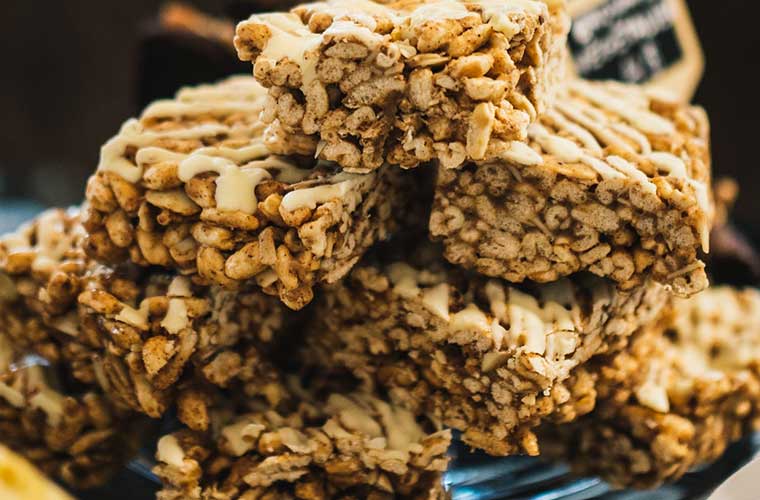
- dense sticks
- chocolate
- mature cheeses
- compact wraps
3️⃣ Minimise friction
If something requires stopping, taking out a cooker or thinking too much... it is not ideal for fastpacking.
The food was perfect:
- eaten on foot
- does not soil
- no hot water needed
- no preparation required
Less ritual, more movement.
4️⃣ It's not all sugar
Sugar helps, but overuse takes its toll.
A good basis combines:
- fast carbohydrates (immediate energy)
- fats (sustained energy)
- some protein (satiety and recovery)
Balance > extremes.
❌ Common mistakes in fastpacking meals
- Eating only sugary bars → peaks and troughs.
- Don't eat until you're hungry → you're sure to get sick.
- Carry heavy food “just in case”.
- Underestimate how much is burned in constant movement.
- Do not taste the food before a long route.
Most problems in fastpacking they are not of legs, they are of energy.
🧪 My actual food system (1-3 day routes)
This is what I usually wear:
- assorted nuts and dried fruit
- dark chocolate
- wraps with nut or cheese spread
- dense sticks (not only sweet)
- some savoury snacks
- cold breakfast (instant oatmeal or similar)
Basic rule for snacks:
if I can't eat it in 2 minutes without stopping, I'm not interested..
⭐ What it's like inside Outsiders


Inside we share real configurations, real questions and real solutions.
No theory.
Just distilled experience.
🔗 Keep building your ultralight system
👉 Fastpacking: the complete guide to getting around lightly
👉 What to eat in fastpacking (no cooking)
👉 How to choose an ultralight backpack
👉 How to plan your first route
👉 Fastpacking on the GR11
Fastpacking Quick Guide (Free)

The guide is designed to give you a start without chaos, without doubts and without buying things you don't need.
It includes:
- What to check before leaving
- How to choose your first route
- Which material matters (and which doesn't)
- Typical 90% errors on start-up
- How to move lightly without losing safety
It's free... but it's part of something bigger.
The guide is just the beginning, within the trial you also have the checklist, recommended equipment, resources and the challenge modules to get you up to speed quickly.
📥 Download it here (access with the free trial):
👉 https://www.skool.com/outsiders/about


