Training for fastpacking: how to prepare your body to move fast without breaking down
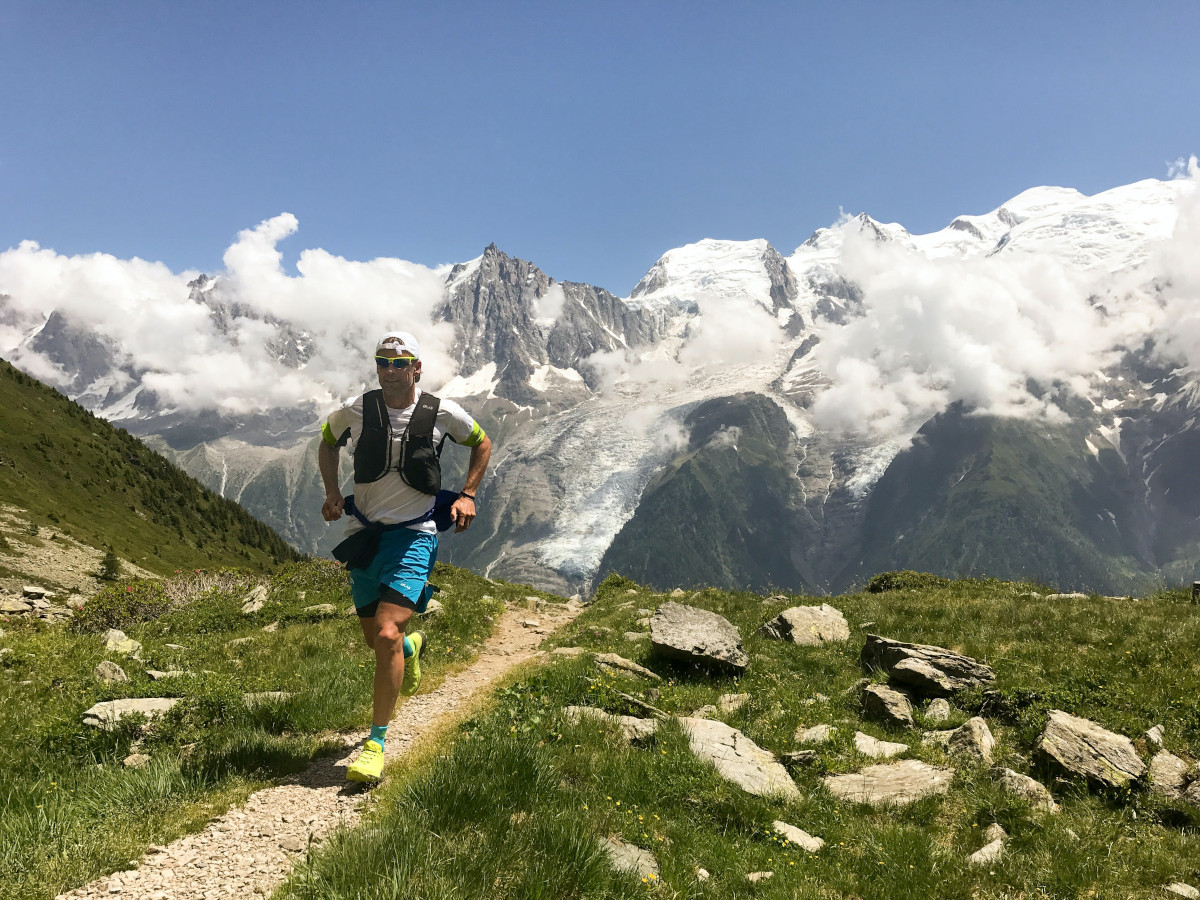
At fastpacking it's not whoever runs the fastest that wins.
The winner is the one who keeps up the pace for hours, who arrives in one piece at the end of the day and who can repeat tomorrow.
The most common mistake is to think that fastpacking is only trained by going out in the mountains. It helps, of course. But is not enough. Without a minimum base of strength, endurance and adaptation to the slope, the body takes its toll: overloads, slumps, aches and pains that accumulate.
This guide shows you how to train for fastpacking realistically, No impossible gym routines or elite plans. Just enough for your body to go with your head when you decide to move fast.
What you will get out of this guide
- Build a solid physical base for long routes.
- Move faster with the same effort.
- Reduce the risk of injury and overload.
- Knowing what to train and what not to waste time training.
- Arrive at the end of the day with energy for the next day.
- Make training an ally, not an obligation.
The fastpacking training system (simple and effective)
Training for fastpacking is based on three pillars. You don't need more. But you don't need less either.
1️⃣ Resilience: the basis of everything
Fastpacking is a prolonged effort.
You do not need constant peaks of intensity, but rather ability to sustain a medium pace for hours at a time.
How to train it:
- long rides at a comfortable pace
- fast hikes with slopes
- sessions where you can talk as you go along
If your aerobic base fails, everything else falls away.
2️⃣ Functional strength: your anti-injury insurance
It's not aesthetics. It is durability.
Strength enables you:
- absorb shocks on downhill slopes
- stabilising the core with a rucksack
- protect knees, ankles and hips
Key exercises:
- squats
- strides
- deadweight
- plates
- unilateral work
Two sessions per week is sufficient.
3️⃣ Adaptation to unevenness and terrain
The slope is not trained on the flat.
You need:
- light weight climbing
- get off with control
- moving on uneven terrain
- getting used to ankles and feet
Here the mountain rules.
The more specific the adaptation, the better.
❌ Common mistakes when training for fastpacking
- Thinking that “you will train on the road”.
- Always run fast and never long.
- Train only cardio and forget about strength.
- Ignore downgrades.
- Copying trail running workouts without adapting.
- Failure to respect breaks.
In fastpacking, consistency beats intensity.
How I train for fastpacking (real example)
A typical week:
- 1 long hike with a slope (fast walking is good)
- 1-2 short sessions of light cardio
- 2 functional strength sessions (30-40 min)
- 1 actual day of rest
It is not spectacular.
But it works. Week after week.
⭐ What it's like inside Outsiders


Inside we share real configurations, real questions and real solutions.
No theory.
Just distilled experience.
🔗 Keep building your ultralight system
👉 Fastpacking: the complete guide to getting around lightly
👉 What to eat in fastpacking (no cooking)
👉 How to choose an ultralight backpack
👉 How to plan your first route
👉 Fastpacking on the GR11
Fastpacking Quick Guide (Free)

The guide is designed to give you a start without chaos, without doubts and without buying things you don't need.
It includes:
- What to check before leaving
- How to choose your first route
- Which material matters (and which doesn't)
- Typical 90% errors on start-up
- How to move lightly without losing safety
It's free... but it's part of something bigger.
The guide is just the beginning, within the trial you also have the checklist, recommended equipment, resources and the challenge modules to get you up to speed quickly.
📥 Download it here (access with the free trial):
👉 https://www.skool.com/outsiders/about


