Fastpacking safety: the essentials for moving around on the loose
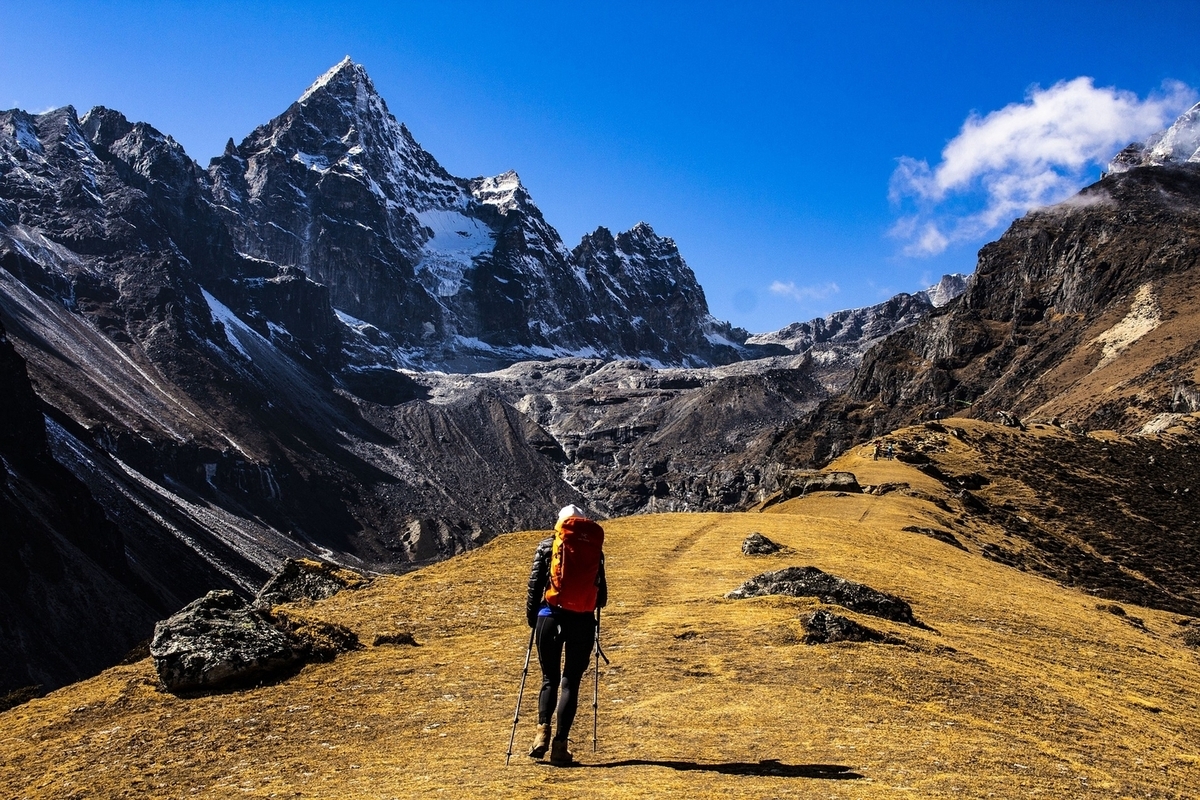
At fastpacking, security is not just one more section.
It is the invisible frame which allows you to move lightly without braking.
It is not about going out in fear, nor about carrying everything “just in case”. Nor is it about taking unnecessary risks to go fast. Safety in fastpacking is about criteria, and knowing when to go ahead... and when to adjust.
This guide is not a survival manual.
It is a clear and honest review of the essentials for moving with margin in the mountains when you decide to go light.
What you will get out of this guide
After reading it you will be clearer:
- what security issues really matter in fastpacking
- how to reduce risks without carrying unnecessary weight
- what common mistakes lead to compromising situations
- how to make better decisions before and on the road
- why going light requires more head, not less
- how to gain peace of mind without losing fluency
Not to eliminate risk.
For manage it better.
Before going into detail: a key idea
Fastpacking is no more dangerous than trekking.
But it is more demanding of your decisions.
You go lighter.
You tend to go more alone.
You stop less.
You have less material leeway to correct mistakes.
This does not mean that it is unsafe.
It means that security is at stake before departure and in every decision., not in carrying more stuff.
Safety starts long before the route
Most compromising situations do not arise suddenly.
They are built little by little.
Typical errors:
- go out with optimistic forecasts
- not checking the ground properly
- trusting that “we'll see as we go along”.”
- not making the plan clear to anyone
Good planning does not constrain you.
It gives you options.
Essential safety equipment (without exaggeration)
In fastpacking, safety equipment must be:
- light
- reliable
- known
More is not better if you don't know how to use it.
The bottom line is usually:
- front with sufficient battery life
- mobile with offline maps
- something to communicate (depending on the area)
- basic first aid kit
- extra layer of protection
- water treatment system
It's not about carrying everything.
It is about don't go right on the important things.
Weather: the most underestimated factor
Many uncomfortable situations start with a sentence similar to this:
“It didn't look like it was going to change that much...”
Common mistakes:
- look only at the general forecast
- don't think about wind and wind chill
- underestimating afternoon storms
- no plan B
In fastpacking, the weather is not challenged.
See reads and respects.
Pace, fatigue and decisions
Going light does not make you immune to fatigue.
In fact, when you overdo it, it shows sooner.
Warning signs:
- increasing clumsiness
- impulsive decisions
- poor stop management
- apathy or excessive haste
Many bad decisions are made when you are already tired.
Knowing how to recognise this is part of security.
❌ Common mistakes in fastpacking security
Almost all of them have the same origin: overconfidence.
- thinking that “this is easy”.”
- minimising the terrain
- no time margin
- not communicating the route
- improvising when it's not your turn
- moving on when something doesn't add up
Fastpacking rewards fluidity,
but it punishes stubbornness.
🧪 My real scares (and what I learned)
There have been no major dramas.
They have been small warnings.
Faster than expected weather changes.
Long descents with accumulated fatigue.
Affordable“ routes that took too long.
In all cases, the learning was the same:
the problem was not to go light, but to decide wrongly.
Safety is not in the material.
It is in the criteria.
⭐ What it's like inside Outsiders


Inside we share real configurations, real questions and real solutions.
No theory.
Just distilled experience.
🔗 Keep building your ultralight system
👉 Fastpacking: the complete guide to getting around lightly
👉 What to eat in fastpacking (no cooking)
👉 How to choose an ultralight backpack
👉 How to plan your first route
👉 Fastpacking on the GR11
Fastpacking Quick Guide (Free)

The guide is designed to give you a start without chaos, without doubts and without buying things you don't need.
It includes:
- What to check before leaving
- How to choose your first route
- Which material matters (and which doesn't)
- Typical 90% errors on start-up
- How to move lightly without losing safety
It's free... but it's part of something bigger.
The guide is just the beginning, within the trial you also have the checklist, recommended equipment, resources and the challenge modules to get you up to speed quickly.
📥 Download it here (access with the free trial):
👉 https://www.skool.com/outsiders/about


