

What features do you need to consider when travelling in an electric car?
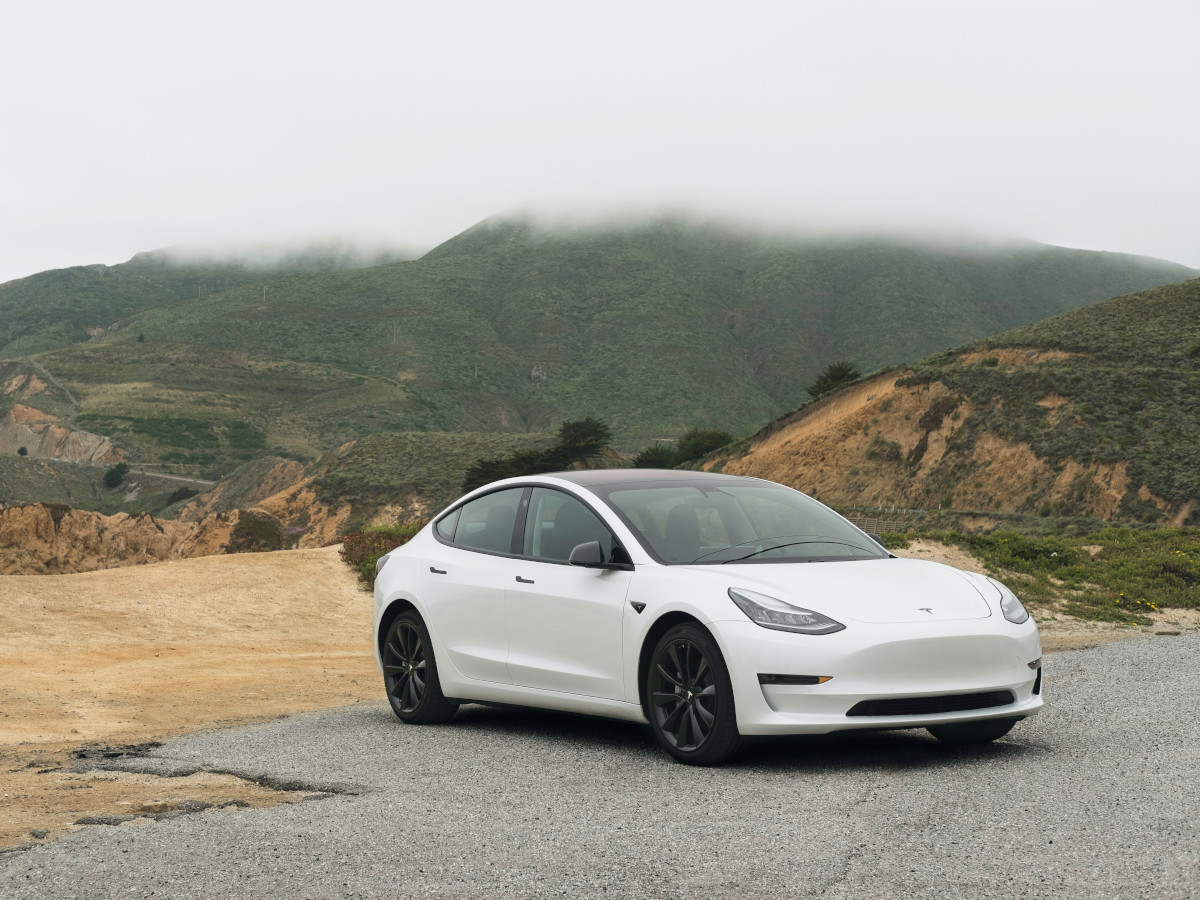
Pyrenees and mountains 📩
Here 🔥Electric cars are becoming increasingly popular as they offer a more sustainable and environmentally friendly transport option. While there are many benefits to owning an electric car, there are also some specific considerations to keep in mind when travelling in an electric car. One of the most important things to consider is how you will charge your car while on the road. There are a few different options available, and it is important to choose the one that best suits your needs. Another aspect to consider when travelling by electric car is the range of the vehicle. Electric cars tend to have a shorter range than traditional petrol cars, so it is important to plan your route accordingly and make sure you have enough charge to reach your destination.
What are the main characteristics of electric cars?
Electric and hybrid vehicles have many features that make them attractive to environmentally conscious consumers. They lack gears, which means there are fewer moving parts that can wear out or require maintenance. They also drive an electric motor, which is more efficient than a traditional petrol engine. Electricity is stored in a rechargeable battery, making it easier to recharge the vehicle. Electric vehicles also produce no emissions, making them much better for the environment than petrol cars. And because they do not exhale dangerous gases, they are safer for both drivers and passengers.

Photo car battery charger taken from autodoc.es
How do you travel with an electric car?
If you are planning a road trip in an electric car, there are a few things you can do to make sure you get the most out of your journey.
First, drive in a way that maximises your range: avoid excessive acceleration and braking, and plan your route so that you can take advantage of charging stations along the way.
Second, plan your loading stops around activities or meal breaks; this will help you maximise your range and minimise downtime.
Thirdly, use the available apps and plan your mileage in advance, so you know exactly how far you can go on one charge.
Fourth, be flexible and have a backup plan: things like weather conditions can affect your range, so it's always good to have a backup route or charging option in case you need it.
Finally, remember that electric vehicles are more suited to urban adventures than going off-grid, so if you plan to explore a rural area, it's best to have a conventional vehicle as a backup. By following these tips, you can make the most of your electric road trip and have a great time!
What are the 3 benefits of electric cars?
Electric cars are becoming increasingly popular as they offer many advantages over traditional petrol or diesel cars.
Firstly, electric cars don't need fuel, so you can save money on petrol.
Secondly, they are much more environmentally friendly, as they do not emit pollutants.
And finally, electric cars have lower maintenance costs due to their efficient electric motors. So if you are looking for a car that is cheaper to run, better for the environment and easier to maintain, an electric car could be the perfect choice for you.
The peculiarities of travelling by electric car
When travelling by electric car, one of the best ways to save money is to stay at RV parks. In addition to providing a place to camp and park, RV parks also offer the ability to charge your vehicle. This can be a great way to reduce the cost of your trip, as you won't have to pay for a hotel. In addition, RV parks often have other features that can be beneficial to electric car travellers, such as access to restaurants and shops.
How to use the charger
Electric vehicles are a popular choice for those who want to reduce their carbon footprint. And, if you're lucky enough to own one, you'll probably want to know how to charge it at a fast-charging station. Here's a quick overview of the process:
- Step 1: Park your vehicle and turn it off.
- Step 2: Connect the charging cable to your car. Make sure the connector is properly locked in place.
- Step 3: Start charging by pressing the start button on the charger. You may need to enter your billing information at this point.
- Step 4: Wait while your vehicle charges. This usually takes about 30 minutes, but times will vary depending on the power of the charger and the size of the battery.
- Step 5: End charging by pressing the stop button on the charger. This will disconnect the power and stop the flow of electricity.
- Step 6: Remove the plug from your car. Make sure it is properly locked in place so that it does not come loose while driving.
- Step 7: Check your surroundings before you leave. Make sure there is nothing blocking your path or that could fall on your car as you drive away.
Which device is best for your car?
There are many different devices you can choose to install in your car, but which one is best? It really depends on what you need and what you want to get out of the device. If you're looking for something to enhance your night vision, then a surveillance camera might be a good option. If you want something that allows you to listen to digital radio, then an aftermarket stereo might be a better option. Ultimately, it all comes down to what will make your life easier and your driving more enjoyable.
If we want to have a reliable car battery charger to deal with any unforeseen events, there are a few manufacturers that stand out for offering car battery chargers.
Bosch is one of the most experienced manufacturers of automotive parts and accessories. Its long history and millions of satisfied customers guarantee the quality and reliability of its products. One example of this is the Bosch C7 0 189 999 07M portable charger, which can work with different voltages, 12 and 24 volts. It weighs 1.7 kilograms and is compact enough to carry with us at all times. In addition, it has LED battery charge status information lights and complies with IP 65.
Another option is the CTEK X Force charger, which is simpler than the previous one, but equally high quality. It works with a voltage of 12V and supplies 0.8 amps, is suitable for passenger cars and is protected against overheating and short circuits. It weighs only 800 grams. Other battery chargers worth mentioning are the OSRAM OEBCS904, the Ring RESC804FR and the Black Decker BC15BD. All of them are reliable and have good ratings from buyers.
 Spanish
  English
  French