

The importance of maintaining good foot health on a mountain route
Pyrenees and mountains 📩
Here 🔥Who has not been on a long-distance hike, the Camino de Santiago or the GR11 in the Pyrenees for example, and sees how their adventure can be cut short by the state of their feet, even if they are strong and energetic. In a great route like the Camino de Santiago, one of the main problems is no longer the distance of each day, but the accumulation of these. Your feet will start to suffer, and you will notice how small blisters appear (this is the beginning of what can be an ordeal). But your feet are not exempt from other problems, because there are the ingredients that can cook up a fungal infection or any other similar problem, such as athlete's foot. And what could be solved with foot fungus cream is capable of ruining your route and taking you home early.
Also, think that we will be frequenting hostels on the Camino de Santiago, or refuges, where pilgrims are passing through and we use toilets and showers in common, and we are not exempt from catching foot fungus.
In this article we will talk about all this and, above all, about how we can avoid, prevent and then take care of our feet if a problem of this type appears. They support our weight and receive the impact of each step. However, we don't give them the importance they deserve until a problem arises.
Main foot problems during hiking trips
Feet are the foundation of any walker. They support our weight and take the impact of every step. However, we don't give them the importance they deserve until a problem arises. Among the main problems faced by mountaineers and hikers are blisters, sprains, ingrown toenails and, of course, fungal infections such as athlete's foot.
Blisters are the result of constant friction between the foot and the shoe. To prevent them, it is essential to choose the right socks and shoes and to keep your feet dry. Once a blister appears, it is crucial to treat it properly to avoid infection. Early and proper care can make a big difference to your comfort and health while walking.
Sprains are common injuries on uneven ground. Wearing well-supported footwear and walking with caution can reduce the risk of sprains. Good pre-training to strengthen the ankles and feet is also very beneficial.
Ingrown toenails are painful and can ruin a walk. Keeping your nails trimmed short and straight across is essential to prevent ingrown toenails. Wearing shoes that do not compress the toes too much can also help to avoid this problem.
Athlete's foot: a silent enemy
Athlete's foot is a fungal infection that affects the skin of the feet, especially between the toes. It is common in warm, moist environments, such as those created inside hiking boots after hours of walking. Athlete's foot is caused by dermatophyte fungi, which thrive in moist conditions. These fungi can cause itching, burning, scaling and cracking of the skin. In more severe cases, they can cause pain and even secondary bacterial infections.
Symptoms of athlete's foot
Symptoms of athlete's foot include intense itching, especially between the toes, and red, scaly or cracked skin. Occasionally, oozing blisters and an unpleasant odour may appear. These symptoms can vary in intensity, but are always uncomfortable and should be treated in time.
Treatment of athlete's foot
Treatment for athlete's foot usually includes antifungal creams. It is crucial to start treatment as soon as symptoms appear to prevent the infection from spreading. There are cream medications that quickly relieve the symptoms and kill the fungus.
Prevention of athlete's foot
Prevention is the best strategy to avoid athlete's foot. Keeping your feet dry is essential, as a damp environment encourages fungal growth. Wearing socks made of sweat-absorbing and breathable materials, such as merino wool or synthetic materials designed for outdoor activities, is an excellent practice. During a long hike, wear several pairs of socks and change them when they feel damp. This will reduce moisture on your feet and help prevent fungal growth.
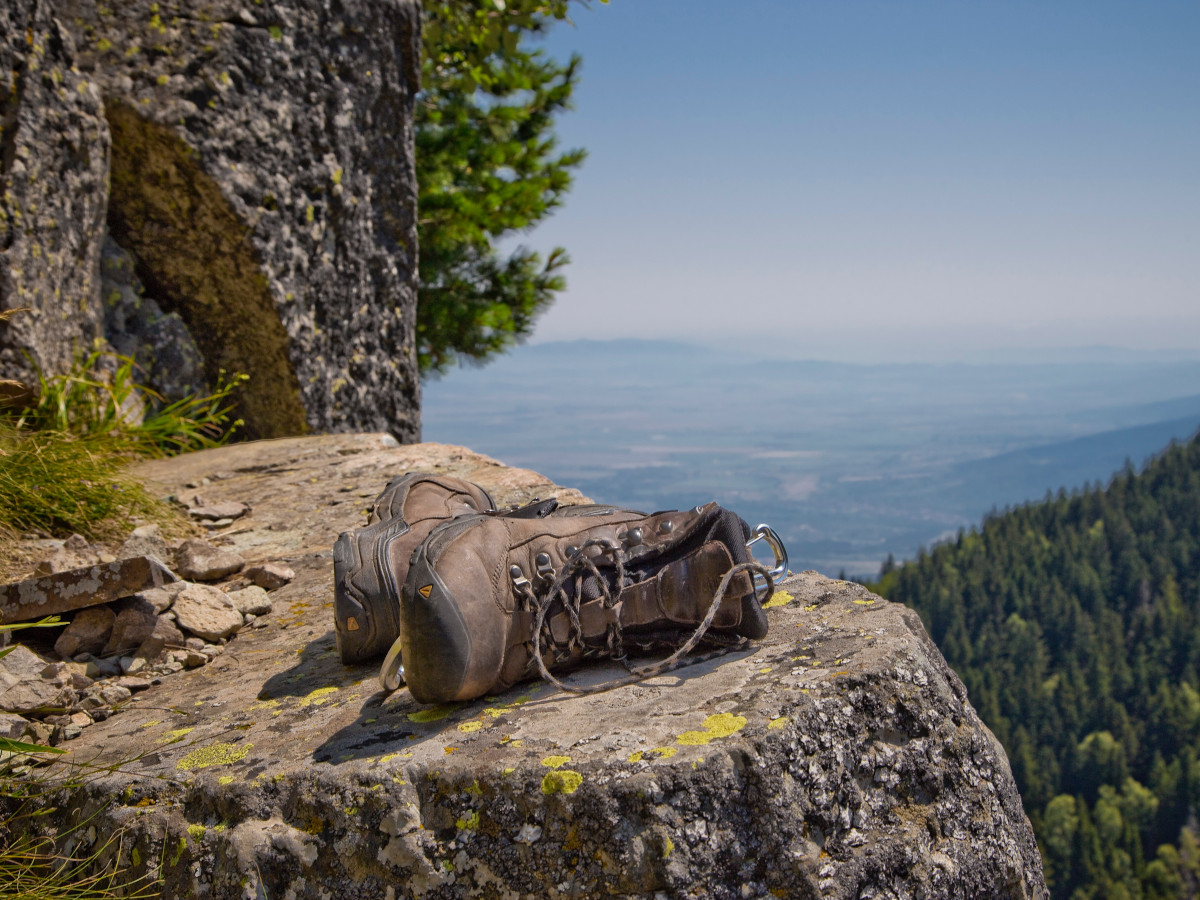
Whenever possible, take off your boots and let your feet breathe. If you are on a long break, take the opportunity to air dry your feet. Proper hygiene is also crucial: wash your feet every day with soap and water, and make sure to dry them well, especially between the toes. Applying antifungal powder to your feet and inside your boots can help keep them dry and prevent fungal growth.
Tips for keeping your feet in good condition on a long route
Before the trip, it is advisable to visit a podiatrist for a check-up and treatment of any existing problems. Strengthening exercises for feet and ankles will also help prevent injury and improve endurance. Choosing the right footwear is essential: look for hiking boots that fit well, are comfortable and provide good support. It is important to wear your new shoes on short hikes before undertaking longer routes to mould them to your feet. In addition, technical socks designed for hiking minimise friction and allow breathability.
During your walk, pay attention to the warning signs. If you feel any chafing, stop and adjust your footwear. Use dressings or tape to cover affected areas. Keep your feet moisturised and rest regularly to avoid fatigue. Change socks if you feel damp and carry several pairs in your backpack. If blisters appear, treat them immediately to avoid infection, using specific products and keeping the area clean.
After your walk, wash your feet with soap and warm water and dry them well, paying special attention between the toes. Apply a moisturiser to keep the skin soft and prevent dryness. A foot massage and stretching will help relieve tension and improve circulation. Examine your feet for blisters, cuts or signs of infection and treat them appropriately.
Useful products for foot care
In addition to antifungal creams, there are other products that can be of great help in keeping your feet in good condition. Blister patches are ideal for protecting affected areas and allowing them to heal without additional friction. Antifungal talcum powder helps keep feet dry and prevent fungal growth, and deodorant foot spray keeps feet fresh and reduces odour.
 Spanish
  English
  French